Charting Swiss regulatory threads that link progressive jackpot patterns with mobile verification systems and live dealer protocols in licensed apps
Geschrieben von Henrik Hartmann · 13.10.2026
Charting Swiss regulatory threads that link progressive jackpot patterns with mobile verification systems and live dealer protocols in licensed apps
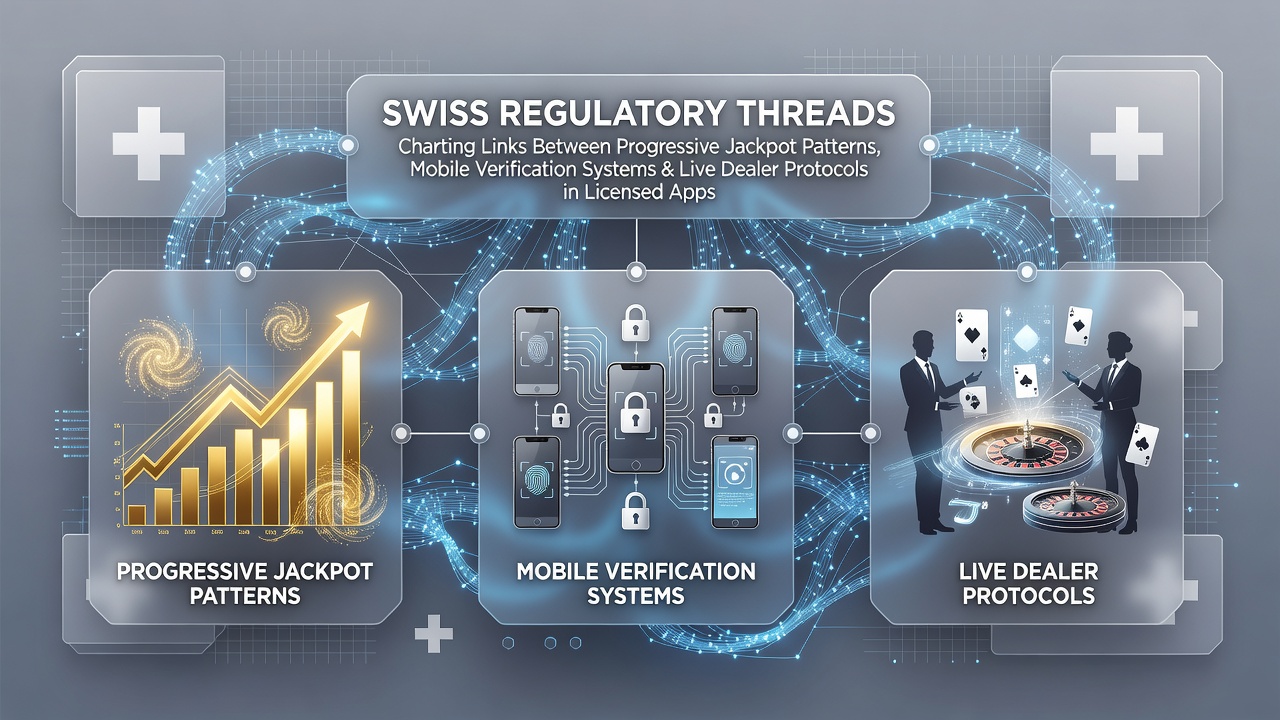
Swiss federal gambling legislation establishes clear requirements for licensed operators who run casino apps, and these rules create direct connections between progressive jackpot mechanisms, player verification processes, and live dealer operations. The Federal Act on Games of Chance and Casinos, together with oversight from the Swiss Federal Gaming Board, mandates that every progressive jackpot pool must undergo regular certification while mobile verification systems confirm player identity before any jackpot contribution or payout occurs. Live dealer protocols integrate the same verification layer so that real-time table sessions remain tied to authenticated accounts that have already satisfied Swiss licensing standards.
Progressive Jackpot Patterns Under Swiss Oversight
Progressive jackpot systems in Swiss-licensed apps follow strict pattern reporting rules that require operators to log contribution rates, trigger frequencies, and payout distributions on a continuous basis. Data from these systems feeds directly into compliance audits, and regulators examine the patterns to confirm that jackpot growth stays consistent with certified random number generators. When a jackpot reaches certain thresholds, automated alerts notify both the operator and the supervisory authority, which then cross-checks the associated mobile verification records to ensure every contributing player maintained valid status throughout the cycle.
October 2026 marks the scheduled rollout of updated reporting templates that will standardize how jackpot pattern data appears in regulatory submissions, and this change will also require live dealer platforms to display jackpot meters that match the certified backend figures exactly. Observers note that these aligned data streams reduce discrepancies that once appeared between mobile app displays and official records.
Mobile Verification Systems as the Central Link
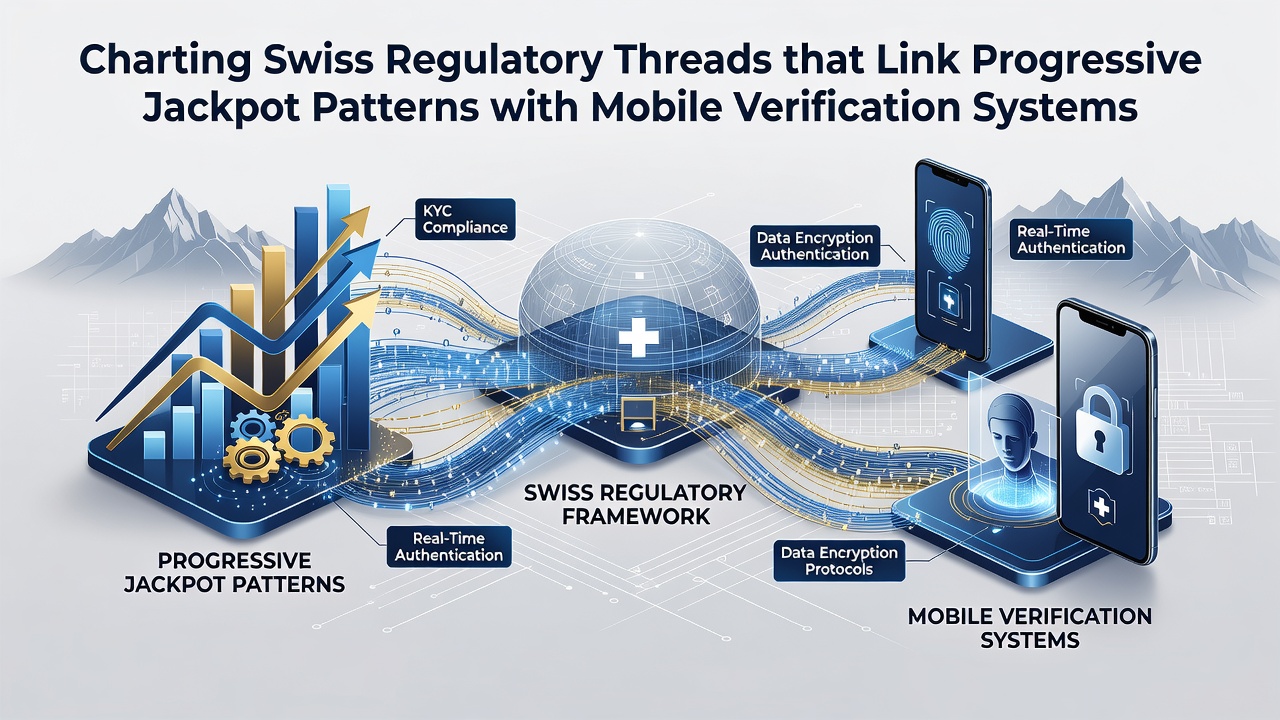
Mobile verification procedures in Swiss-licensed apps serve as the common thread that ties jackpot activity to live dealer sessions. Every account must complete identity confirmation through government-approved documents and biometric checks before accessing any game that feeds a progressive pool. Once verified, the same credential governs entry into live dealer environments, where dealers and software both reference the verified status to authorize bets and resolve wins. This single verification event therefore controls access across jackpot contributions and live table participation, which simplifies audit trails for regulators.
Operators must retain verification timestamps for a minimum period defined by federal rules, and these records allow authorities to reconstruct sequences of jackpot contributions alongside live dealer interactions. When patterns show unusual clustering of large bets from newly verified accounts, the system flags the activity for review without interrupting ongoing live sessions.
Live Dealer Protocols and Integrated Compliance Checks
Live dealer protocols in Swiss-licensed environments incorporate real-time verification status checks that reference the same database used for progressive jackpot eligibility. Dealers operate under camera systems that record every action, and the software layer automatically confirms that each seated player holds current verification before accepting wagers that could affect jackpot pools. This integration means that any change in verification status immediately suspends both live table participation and further jackpot contributions from that account.
Regulatory guidelines specify that live streams must include visible indicators of verification status, although these markers remain visible only to the control room and not to other players. The approach maintains game flow while satisfying the requirement that every participant in a jackpot-linked live game has passed Swiss mobile verification standards. Studies from the European Gaming Institute show that such layered protocols have reduced verification-related disputes by measurable margins in jurisdictions with similar frameworks.
Interconnections Across the Three Elements
The regulatory threads become visible when operators map jackpot contribution logs against verification timestamps and live dealer session records. Swiss rules require that these three data sets align during every compliance review, and any mismatch triggers an investigation. For example, a progressive jackpot win recorded on a mobile app must match both the verified account that placed the winning bet and the live dealer protocol log if the game occurred at a streamed table. This cross-referencing prevents scenarios where unverified or partially verified accounts could influence jackpot outcomes.
Industry reports from the Australian Gambling Research Centre indicate that integrated verification systems like those required in Switzerland correlate with higher consistency in jackpot payout reporting across multiple game types. Swiss operators therefore maintain unified dashboards that display jackpot patterns, verification status, and live dealer metrics side by side, allowing regulators to review all three elements in a single interface during audits.
Conclusion
Swiss licensing requirements continue to shape how progressive jackpot patterns, mobile verification systems, and live dealer protocols operate within the same regulatory environment. The connections established by federal rules ensure that verification serves as the shared foundation for both jackpot tracking and live table access, while October 2026 updates will further standardize the data flows between these components. Licensed operators adjust their technical setups to meet these integrated obligations, and the resulting framework supports consistent oversight across all three areas.