How Swiss Licensing Protocols Shape the Creation of Interactive Player Education Modules for Mobile Gaming Safety
Geschrieben von Blake Klein · 27.10.2026
How Swiss Licensing Protocols Shape the Creation of Interactive Player Education Modules for Mobile Gaming Safety
Swiss licensing protocols establish strict requirements for player protection measures that directly influence how mobile gaming operators develop interactive education modules, and these rules stem from the Federal Act on Gambling which mandates comprehensive safeguards including responsible gaming tools integrated into every licensed application. Operators must embed features that inform users about risks, encourage self-assessment, and promote informed decision-making throughout the gameplay experience because compliance depends on demonstrating measurable educational outcomes during audits conducted by the Eidgenössische Spielbankenkommission.
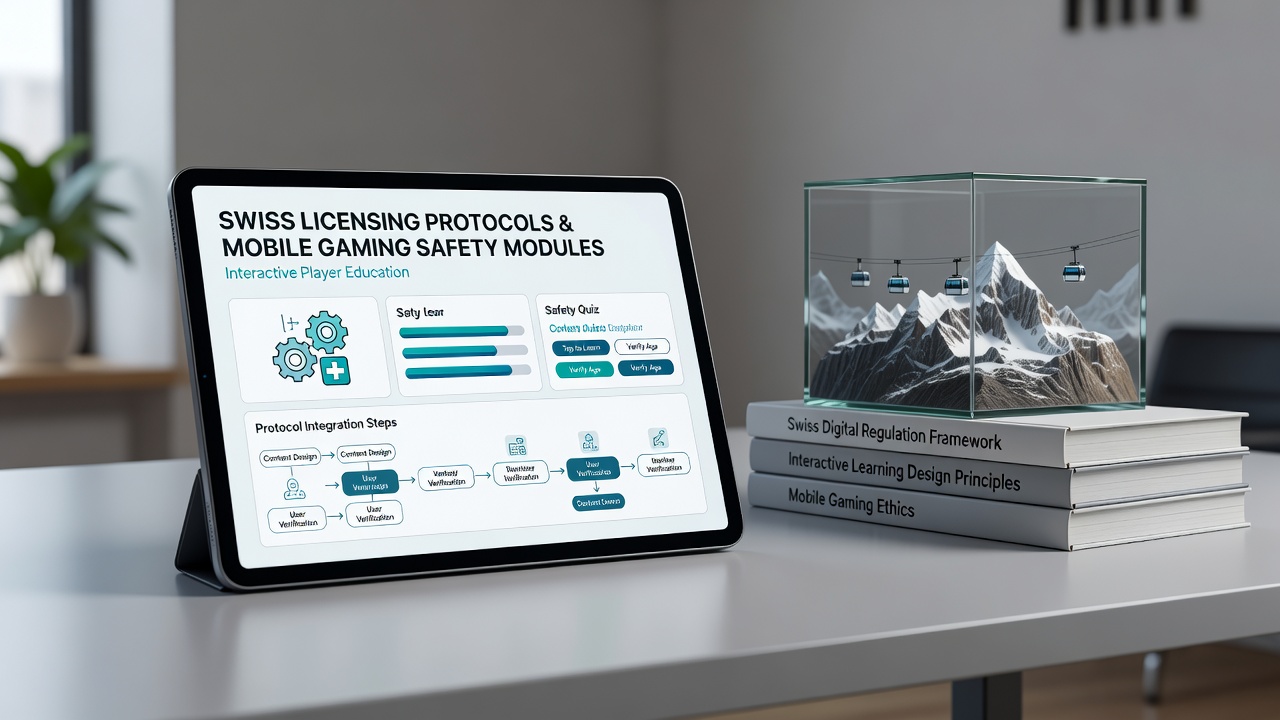
Developers respond to these mandates by creating modules that combine video explanations, scenario-based simulations, and progress tracking systems, while data shows that such interactive elements increase user engagement compared to static text presentations alone. Licensing agreements specify that education must occur at key moments such as account registration, deposit actions, and session starts, which forces teams to design non-intrusive yet mandatory pathways that guide players through content without disrupting flow.
Core Protocol Elements Driving Module Design
Protocols require age verification tied directly to educational content delivery, and this integration ensures new users complete a brief safety overview before accessing games, whereas repeat sessions trigger refresher prompts based on play patterns observed in system logs. Financial limit tools connect to modules that explain loss thresholds and time management strategies through clickable examples drawn from anonymized aggregate data, so players see real-world illustrations of how limits function in practice.
Self-exclusion mechanisms link to educational segments that outline cooling-off periods and support resources, and these sections often include links to external counseling directories because regulators insist on providing immediate access to professional help options. Research indicates that modules incorporating gamified elements like achievement badges for completing safety lessons correlate with higher retention of key concepts among mobile users across multiple licensed platforms.
Technical Implementation in Mobile Environments
App developers use modular code frameworks that allow quick updates when licensing standards evolve, and this flexibility proves essential as Swiss authorities refine guidelines around emerging technologies such as augmented reality interfaces or personalized risk assessments. Interactive modules pull from centralized databases that track player behavior metrics, enabling dynamic content adjustments that highlight relevant warnings based on individual session history without storing identifiable details beyond compliance needs.
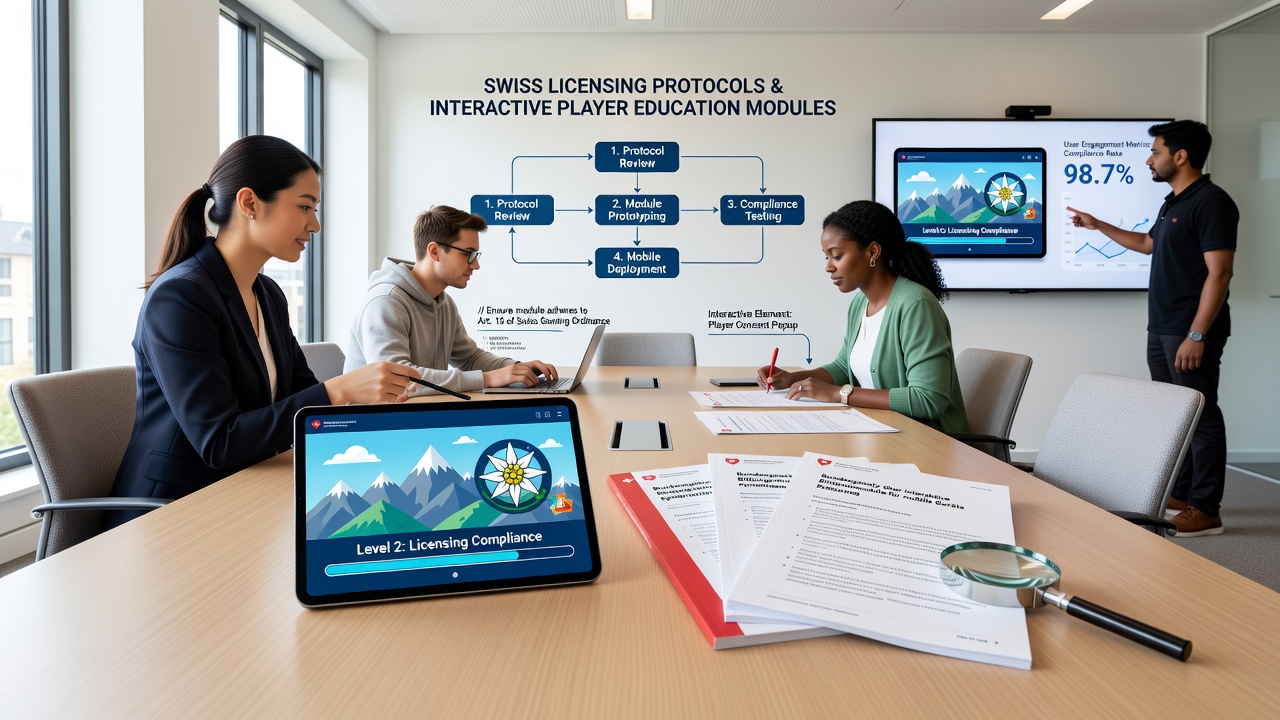
Accessibility standards embedded in the protocols demand multilingual support and screen-reader compatibility within every education component, so designers incorporate voice narration options alongside visual diagrams that explain probability concepts and house edge calculations in simple terms. Testing protocols require third-party verification of module effectiveness through controlled user trials before full deployment, and results feed back into iterative improvements that align with ongoing regulatory reviews.
Integration with Broader Safety Frameworks
Licensing conditions connect education modules to broader monitoring systems that flag unusual activity and prompt targeted interventions, and this linkage means a player approaching preset limits receives an immediate suggestion to review the associated safety module. Operators document completion rates and knowledge retention scores as part of annual reporting obligations, which creates datasets that inform future protocol refinements at the national level.
International comparisons reveal that Swiss approaches emphasize proactive education over reactive penalties, and this emphasis encourages the inclusion of scenario simulations where users practice setting personal boundaries in a risk-free environment. Figures from regulatory summaries indicate steady growth in module usage since the framework's expansion to mobile formats, with particular increases noted during periods of heightened public awareness campaigns around digital gaming.
Future Developments and October 2026 Milestones
Scheduled updates to licensing criteria planned for October 2026 will introduce requirements for artificial intelligence-driven personalization within education modules, allowing content to adapt based on behavioral indicators collected in real time. These changes build on existing foundations by mandating enhanced transparency about algorithmic decision-making in safety recommendations, and operators are already preparing interfaces that explain how such tools function while maintaining user control over data inputs.
Collaboration between Swiss regulators and academic institutions continues to shape content standards, with pilot programs testing new interactive formats that incorporate biometric feedback for stress detection during play. Such initiatives ensure modules evolve alongside technological capabilities while remaining anchored in evidence-based approaches to harm reduction.
Conclusion
Swiss licensing protocols create a structured environment where interactive player education modules become essential components of mobile gaming safety rather than optional additions, and the resulting systems deliver consistent information across diverse platforms. Continued alignment between regulatory expectations and technical innovation supports ongoing improvements in how players access and apply safety knowledge during mobile sessions.